Expanding ICE Operations: Legal Implications and Community Impact
The U.S. Immigration and Customs Enforcement (ICE) is currently ramping up its operations across the country, deploying agents into new territories and utilizing controversial tactics that have sparked significant concern among legal experts, lawmakers, and advocates. The initiative, dubbed "Operation Catch of the Day," highlights a broader trend of aggressive enforcement strategies that many argue infringe upon civil liberties.
In recent weeks, cities like Minneapolis have become focal points for this heightened activity, but attention is now shifting to Maine, where officials report similar aggressive tactics. Local council members in Portland describe these actions as a "war of terror" waged by the federal government. Reports indicate incidents where individuals, regardless of age, have been forcibly apprehended and subjected to intimidation tactics, a sentiment echoed by Maine’s governor who condemns the federal government’s approach as fostering fear.
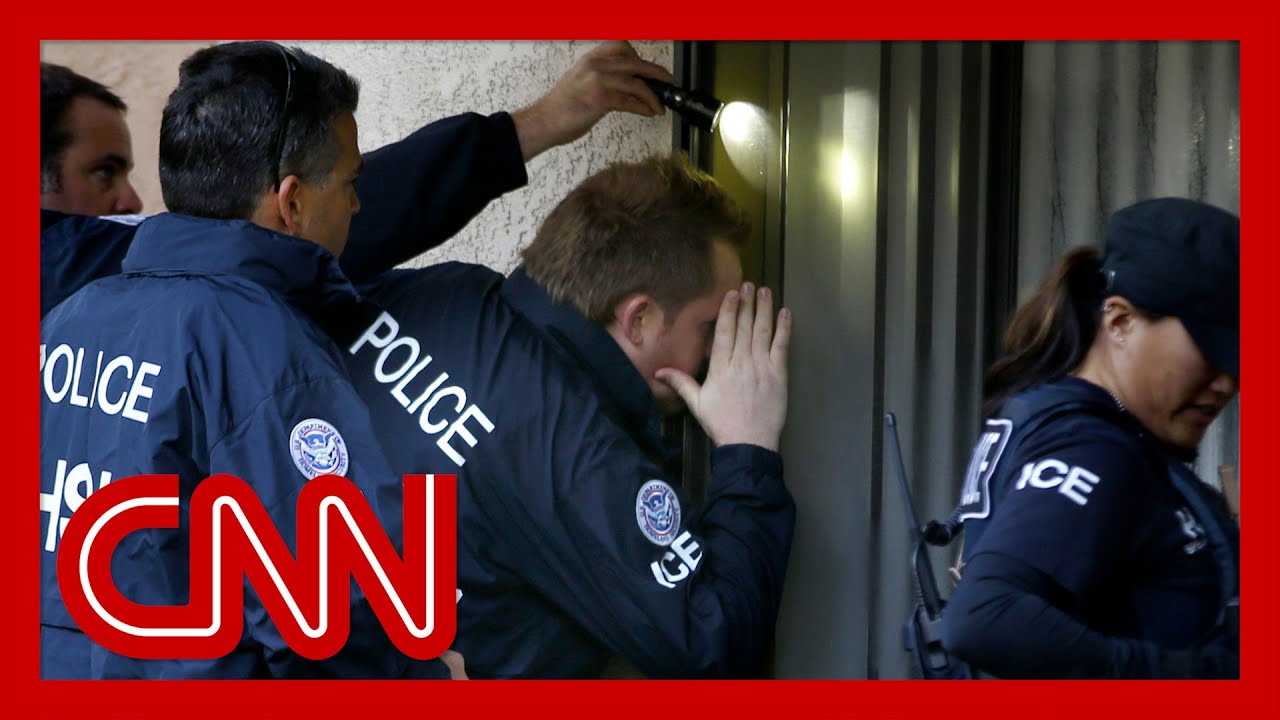
At the core of this escalation is ICE’s new interpretation of its authority to enter private residences. An internal memo obtained by the Associated Press suggests that ICE agents may now utilize administrative warrants to access homes without prior judicial approval, specifically when executing arrests of individuals with final removal orders. This shift raises profound constitutional questions, primarily concerning the Fourth Amendment, which explicitly protects individuals against unreasonable searches and seizures. The amendment underscores the sanctity of the home, stating that the right to be secure against unreasonable infringement should not be violated without a warrant, which is typically issued based on probable cause.
Traditionally, the enforcement of immigration laws has necessitated a judicially authorized warrant, requiring agents to provide detailed affidavits supporting their claims. The introduction of administrative warrants, described by critics as little more than a bureaucratic formality, signals a remarkable departure from longstanding ICE protocols. Such drastic changes invite scrutiny and concern over their legal foundations.
Recent videos from Minneapolis depict ICE agents employing these aggressive measures, including forcibly breaching doors with firearms drawn. In one incident, federal agents entered a home belonging to a local resident with such warrants—raising further questions about the legality of these actions. As community tensions heighten, there are mounting fears that individuals merely present in homes where ICE operates might also be swept up in their aggressive tactics.
The situation is exacerbated by reports of crowd control methods used against protesters. Some eyewitness accounts claimed that law enforcement deployed chemical agents during demonstrations. This tactic, along with the presence of high-ranking officials like Border Patrol Chief Greg Bavino at these confrontations, has stoked the flames of public dissent. The perceptions of an ever-watchful ICE, combined with heavy-handed responses to demonstrators, portend escalating conflicts with local communities that have already begun to feel besieged.
Political narratives surrounding these escalated tactics further complicate the landscape. Federal officials, including Vice President JD Vance, are set to defend the actions of ICE agents during upcoming public appearances, despite the tragic incident involving the death of a local woman at the hands of ICE agents. Such remarks have ignited backlash within communities, casting doubt on the administration’s commitment to human rights and emphasizing the disconnect between immigration enforcement and the protection of civil liberties.
Former ICE officials have remarked on the troubling implications of these new directives. John Sandweg, a legal expert and former acting director of ICE, highlighted the significant risks these actions pose—not just legally but also operationally—entrenching a "war" mentality that ultimately disrupts communities rather than ensuring public safety.
The overarching theme amidst this unfolding situation is one of tension—a tension between enforcement and community trust, legality and administrative expediency. As ICE adapts its strategies to meet contemporary political challenges, the legal ramifications and societal consequences of these methods remain contentious points of debate, foreshadowing a tumultuous road ahead in the immigration enforcement landscape.
In a nation defined by the rule of law, the actions of agencies like ICE must constantly navigate the delicate balance between maintaining security and upholding the rights enshrined in the Constitution. Without such a balance, the potential for community backlash, legal challenges, and broader societal discord looms large.